
Neuromodulators in Philadelphia
Written by Dr. Ringpfeil
What Are Neuromodulators?
Neuromodulators are injectable treatments derived from botulinum toxin type A. When administered in controlled doses, they temporarily reduce muscle activity in specific areas of the face.
By limiting repeated muscle contractions, neuromodulators soften existing lines and help prevent new ones from developing. The goal is not to eliminate expression, but to create smoother, more balanced movement.
 Book a Consultation
 Types of Neuromodulators
Neuromodulators are primarily used to soften dynamic wrinkles and subtly adjust facial balance. In addition to smoothing lines, they can also create a mild lifting effect in certain areas by relaxing muscles that pull downward. There are different types of neuromodulators, and treatment is planned based on muscle strength, facial anatomy, and individual expression patterns.
Botox®
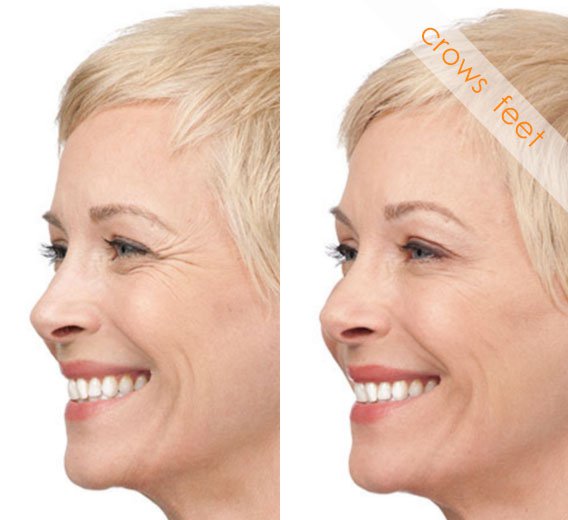
Botox®,botulinum toxin type Ais one of the most widely used neuromodulators for reducing expression lines such as forehead wrinkles, frown lines, and crow’s feet. It works by relaxing targeted facial muscles, allowing the skin to appear smoother and more refreshed.
Results typically begin to appear within a few days, with full effects visible within 1–2 weeks. There is little to no downtime, and most patients return to normal activities immediately. Results generally last 3–6 months, depending on the treatment area and muscle activity.
Xeomin®
Xeomin® is a purified form of botulinum toxin that does not contain accessory proteins. It functions similarly to Botox®, relaxing targeted muscles to reduce dynamic wrinkles.
Because of its formulation, Xeomin® may be an option for patients who have developed resistance to other neuromodulators. Results appear within several days and typically last 3–6 months. Recovery is minimal, with only mild, temporary redness or swelling at injection sites.
Dysport®
Dysport® is another neuromodulator used to treat dynamic wrinkles, particularly in larger areas such as the forehead. It spreads slightly more than other products, which can allow for more diffuse coverage in certain regions.
Results may appear slightly faster in some patients, often within a few days. Mild swelling or redness may occur but resolves quickly. Results typically last 3–6 months.
Browse Our Before & After Gallery
Areas Treated
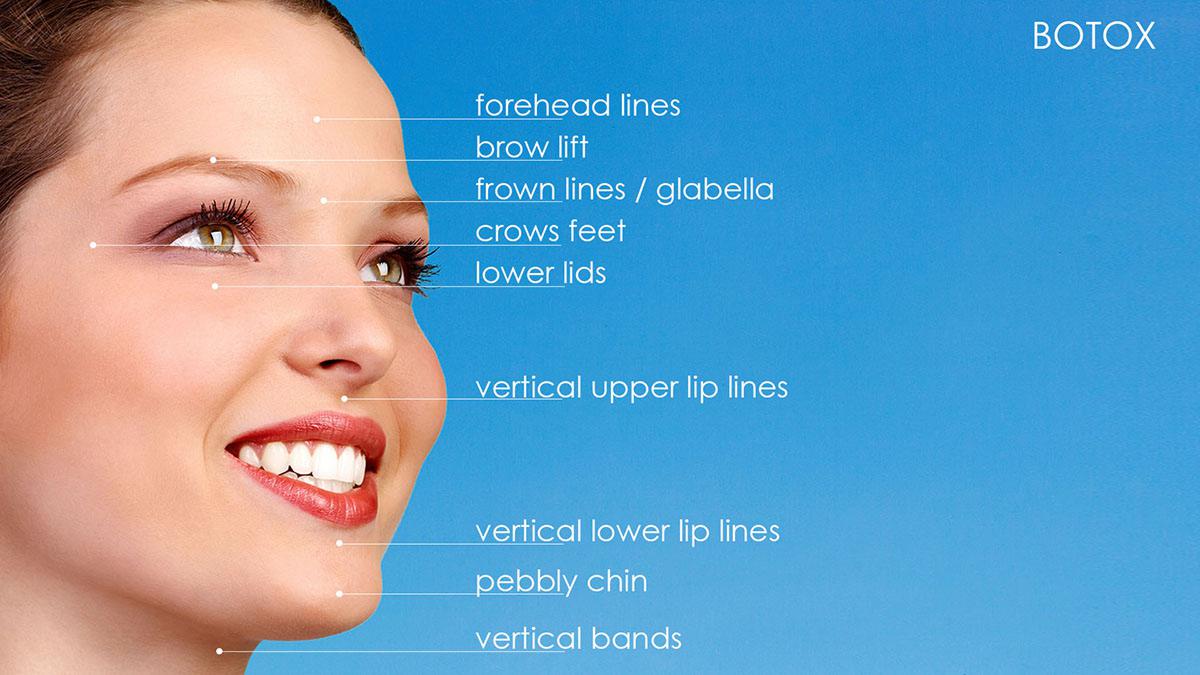
Neuromodulators can be used across multiple areas of the face and neck to improve both lines and overall facial balance:
- Forehead lines
- Frown lines (glabella)
- Crow’s feet
- Brow position and subtle brow lift
- Under-eye lines (“jelly roll”)
- Lip lines and lip positioning
- Corners of the mouth
- Chin dimpling
- Neck bands (platysmal bands)
- Jawline contour (masseter reduction)
By selectively relaxing specific muscles, treatment can smooth wrinkles while preserving natural expression.
Why Choose Dr. Ringpfeil for Neuromodulators in Philadelphia?
Neuromodulator treatments require anatomical precision and a deep understanding of how facial muscles interact. Dr. Franziska Ringpfeil, a board-certified dermatologist, has more than two decades of experience performing treatments with products such as Botox®, Xeomin®, and Dysport®, with a focus on subtle, predictable results.
Every neuromodulator treatment at Ringpfeil Advanced Dermatology is administered by Dr. Ringpfeil or a dermatology-trained physician assistant under her supervision, never by unlicensed or part-time injectors. This ensures that dosing, placement, and muscle mapping are based on medical training rather than routine technique.
Dr. Ringpfeil personalizes each injection plan to the patient’s unique facial dynamics, accounting for muscle strength, asymmetry, and expression patterns. Her goal is control, not paralysis: smoother skin, softer lines, and natural movement. Patients choose us because of diagnostic precision, conservative dosing philosophy, and commitment to results that look natural both at rest and in motion.
Side Effects
Neuromodulator treatments are generally safe and well-tolerated when performed by experienced providers, like our team.
- Mild redness or swelling at injection sites
- Occasional bruising
- Temporary muscle weakness in treated areas
These effects are typically short-lived and resolve within a few hours to a few days.
Contraindications
Neuromodulators should not be used:
- During pregnancy or while nursing
- In patients with neuromuscular disorders or a family history of such conditions
- When experiencing illness at the time of treatment
Dysport® should be avoided in patients with a cow’s milk allergy.
Post Procedure Instructions
Neuromodulator treatments require minimal aftercare:
- Avoid strenuous activity for several hours after treatment
- Do not apply pressure to treated areas immediately after injections
- Remain upright for several hours following treatment
Mild redness or small bumps may appear temporarily and usually resolve within minutes.
Results and Longevity
Results begin to appear within a few days, with full effects typically visible within 1–2 weeks.
- Results last approximately 3–6 months
- Stronger muscles may require more frequent treatment
- Regular maintenance helps preserve smoother, more consistent results
Most patients require repeat treatments several times per year to maintain their results.
Number of units
| Area | Women | Men |
|---|---|---|
| Forehead | 8-12 units | 10-18 units |
| Glabella | 15-25 units | 20-35 units |
| Crows Feet | 10-20 units | 12-20 units |
| Brow Lift | 10-20 units | 10-20 units |
| Lower Lid Lines | 2-4 units | 2-4 units |
| Vertical Upper Lip Lines | 4-8 units | 4-8 units |
| Vertical Lower Lip Lines | 4-8 units | 4-8 units |
| Pebbly Chin | 4-6 units | 4-6 units |
| Vertical Neck Bands | 10-40 units | 10-40 units |
(*)90% of people will fall within this range
Cost
Pricing is based on the number of units used and the treatment area.
During your consultation, a personalized treatment plan will be created, and an estimate will be provided based on your goals and facial anatomy.
Frequently Asked Questions
What is the difference between Botox® and Xeomin®?
Both Botox® and Xeomin® use botulinum toxin type A to relax targeted facial muscles and smooth wrinkles. The primary difference is that Xeomin® does not contain accessory proteins, which may make it suitable for patients who have developed resistance to other formulations.
What is the difference between neuromodulators and dermal fillers?
Neuromodulators treat dynamic wrinkles caused by repeated muscle movement by relaxing the underlying muscles.
Dermal fillers restore volume and address static wrinkles caused by loss of fat, collagen, and bone support. Many patients benefit from combining both treatments for comprehensive facial rejuvenation.
How long do neuromodulators last?
Results typically last between 3–6 months, depending on the treatment area and individual muscle activity.
Is treatment painful?
Discomfort is minimal. Most patients describe the injections as a quick pinch, and no anesthesia is required.
How often will I need treatment?
Most patients benefit from treatments every 3–6 months to maintain results. Over time, some patients may require fewer treatments as muscle activity adapts.
Patients ask Dr. Ringpfeil answers
Please feel free to use this form to ask our dermatologists questions about this treatment.